Research · three areas
Research questions, stated before results.
Moonpie Robotics is an emerging research initiative. Each area below lists the questions we intend to study and the tools we are evaluating. None of it is a result yet.
Status key
- Status: Concept
- Status: Exploratory
- Status: Proposed
- Status: In use
01Research area
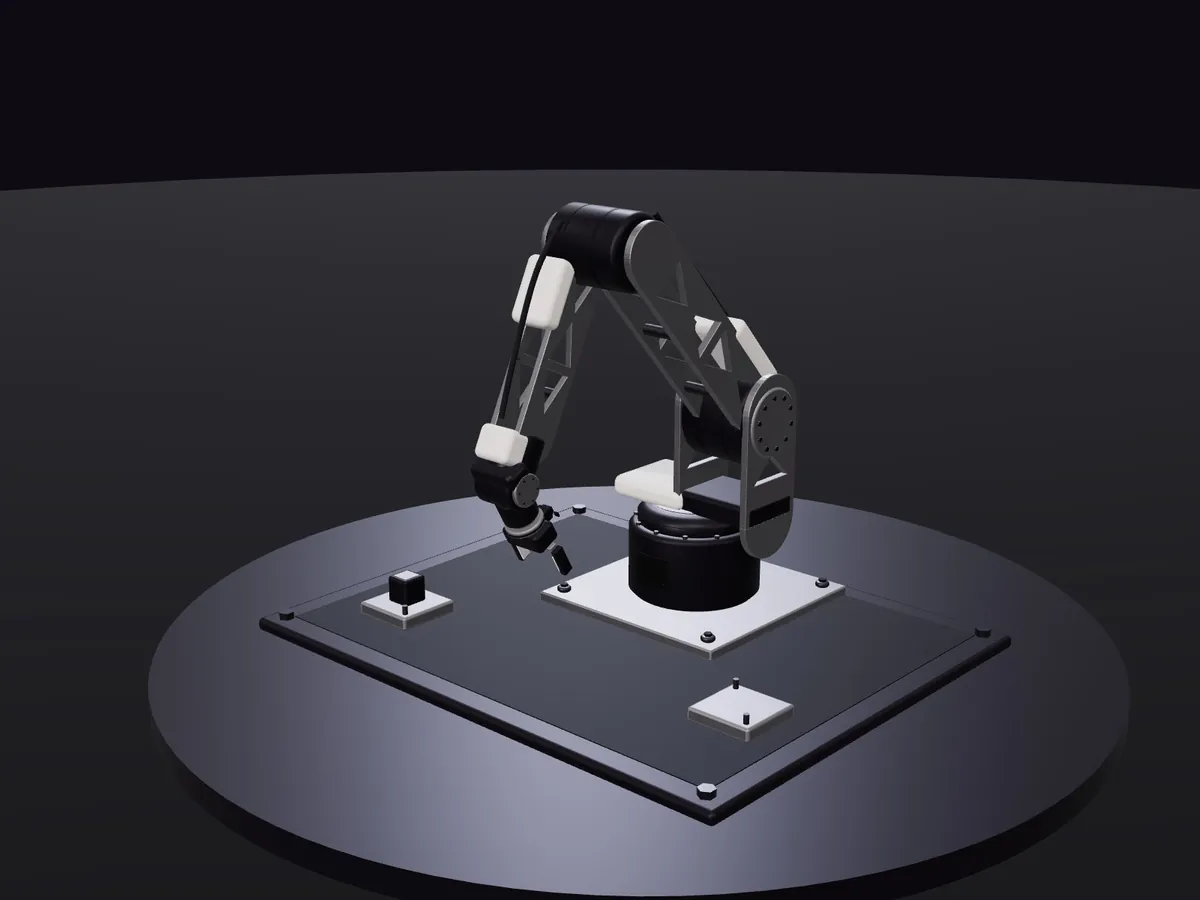
Robotics and autonomous systems
How a machine perceives a space, decides where it can safely go, and moves through it — developed and tested in software long before it touches hardware.
Status
Status: ConceptQuestions we intend to study
- Robot perception from cameras and depth sensors
- Motion planning and collision-free navigation
- Manipulation: reaching, grasping and placing
- Simulation-first development and evaluation
- Robot operating systems and hardware integration
- Human-supervised autonomy, with a person able to stop or override
Candidate technologies
- ROS 2
- Python
- C++
- Gazebo
- OpenCV
Candidate technologies under evaluation — not deployed infrastructure.
02Research area
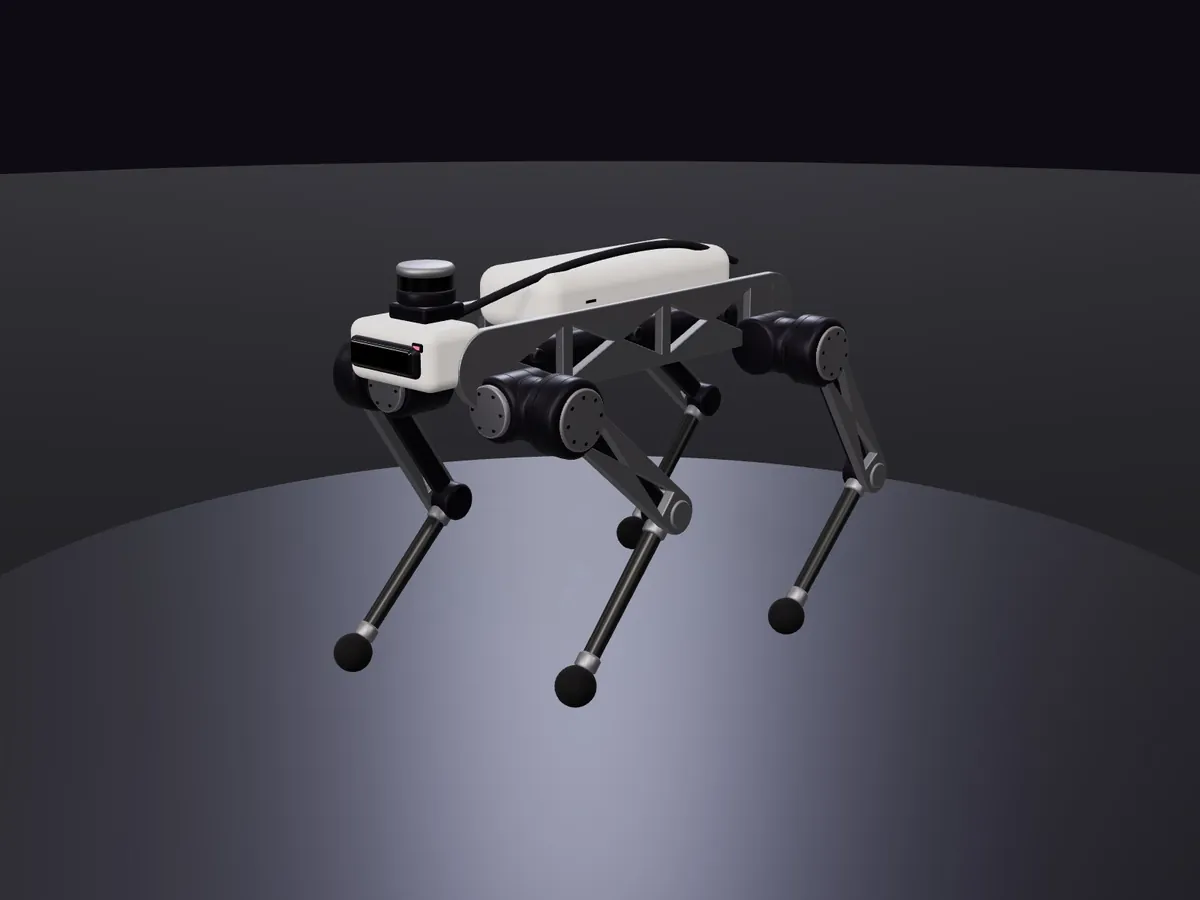
Embodied AI
Connecting perception, reasoning and physical action: AI that is judged not by what it says but by what it reliably and safely does in a space.
Status
Status: ConceptQuestions we intend to study
- Linking perception, reasoning and action in one loop
- Vision-language-action models as a research direction
- Task planning: turning an instruction into ordered steps
- Robot learning within simulated environments
- Measuring reliability and failure modes, not only success
- Human oversight and controlled, interruptible execution
Candidate technologies
- Simulation environments
- Open research models
- Evaluation harnesses
Research directions, not deployed systems.
How work would progress
- 1Software experimentsPlanners and models evaluated against recorded and synthetic data.
- 2Simulated environmentsThe same logic run in physics simulation, with failures logged and studied.
- 3Supervised hardware prototypesOnly after simulation results justify it, and only under direct human supervision.
03Research area
Neurotechnology and human–machine interaction
Early, non-invasive research into how people and machines can communicate — starting with signal visualisation and accessibility-oriented interfaces, not medical devices.
Status
Status: ExploratoryQuestions we intend to study
- Non-invasive EEG research using public datasets first
- Brain-signal visualisation and exploration tools
- Brain–computer interface concepts and their limits
- Human–machine interaction design
- Signal processing and machine-learning experimentation
- Accessibility-oriented interfaces
Candidate technologies
- Public EEG datasets
- Signal-processing libraries
- Python
Non-invasive research only. Nothing here is a medical device, a diagnostic tool or an implantable system.
Read the full roadmap and safeguards
Stages, gates, consent and regulation are on /robotics/neurotechnology.
- Stage 01
- Contour00:00
- Stage 02
- Scan00:01.2
- Stage 03
- Read00:05.2
- Source
- 1280 × 72030fps · 0.35MB
Still frame
04Technology under evaluation
What we use, and what we are only considering.
- Frontend and visualisationStatus: In use
What these pages are built with, including the sandbox renderer.
Next.js · React · TypeScript · Canvas 2D
- Simulation and robotics middlewareStatus: Proposed
Candidates for moving beyond the in-browser sandbox.
ROS 2 · Gazebo · Python · C++
- Perception and computer visionStatus: Proposed
Candidates for camera and depth processing experiments.
OpenCV · Depth sensing · Recorded datasets
- AI models and task planningStatus: Proposed
Open models evaluated in simulation, with human plan approval.
Task decomposition · VLA research · Evaluation harnesses
- Non-invasive biosignal experimentationStatus: Concept
Public datasets first. No live capture, no personal data.
Public EEG datasets · Signal processing
- Safety, evaluation and observabilityStatus: Proposed
Logging, repeatable test scenarios and stop controls, defined before any hardware.
Deterministic runs · Failure logging · Human override